Performance, Durability, and Control. Every Mile, Every Road.

Victory Lap
THE BEST TIRE SOLUTION FOR YOUR LOVELY CAR
Upgrade your ride with premium tires engineered for unmatched grip, long-lasting tread life, and confident handling in every condition. Victory Lap Tires delivers reliability you can trust and performance you can feel.
We service all standard tire sizes, including popular options such as:
Cars:
195/65R15 • 205/55R16 • 215/55R17 • 225/45R17 • 235/45R18
SUVs/Crossovers:
225/65R17 • 235/65R17 • 245/60R18 • 235/55R18 • 255/55R20
Trucks/Light Pickups:
265/70R17 • 275/60R20 • 285/70R17 • 265/65R18 • 275/55R20
If your size isn’t listed—don’t worry. We can handle almost anything
New and Used Tires!
All-Terrain & Off-Road Tires
Built tough for adventure—rugged sidewalls and aggressive tread for gravel, mud, and uneven terrain.
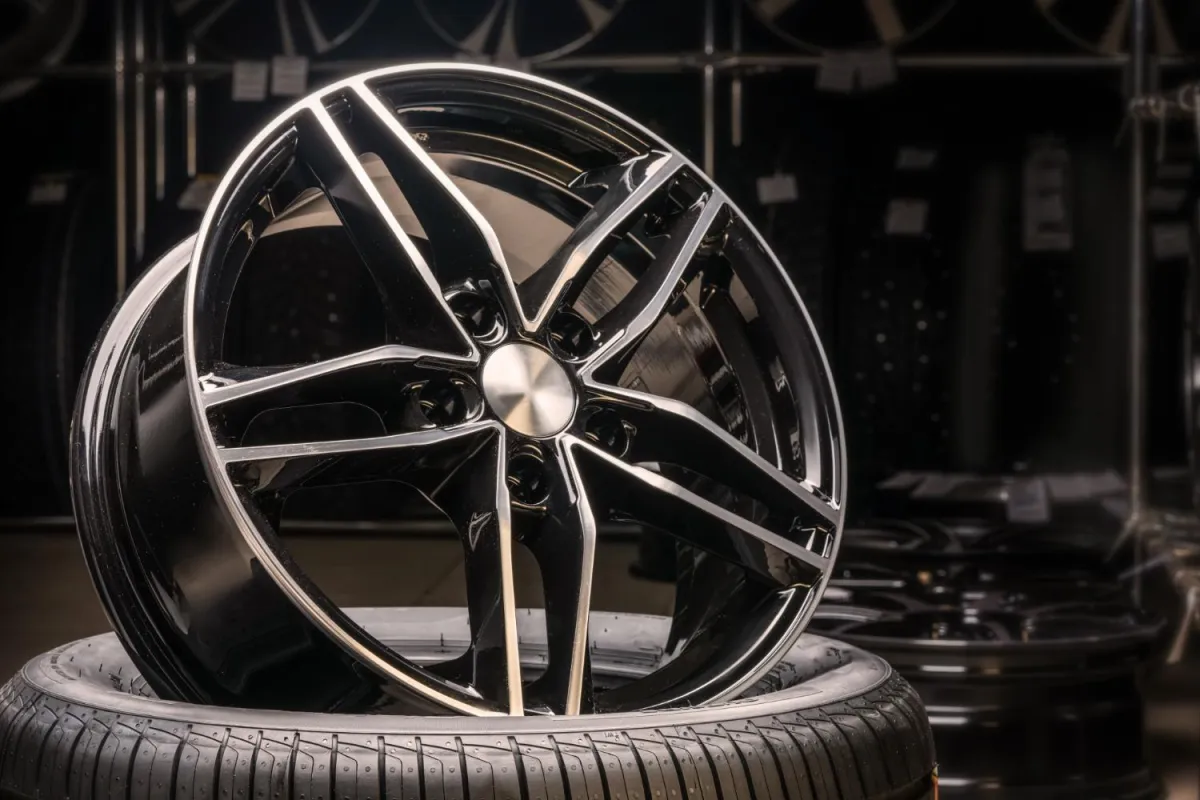
All-Season Tires
Versatile and reliable, offering consistent traction and handling throughout the year.
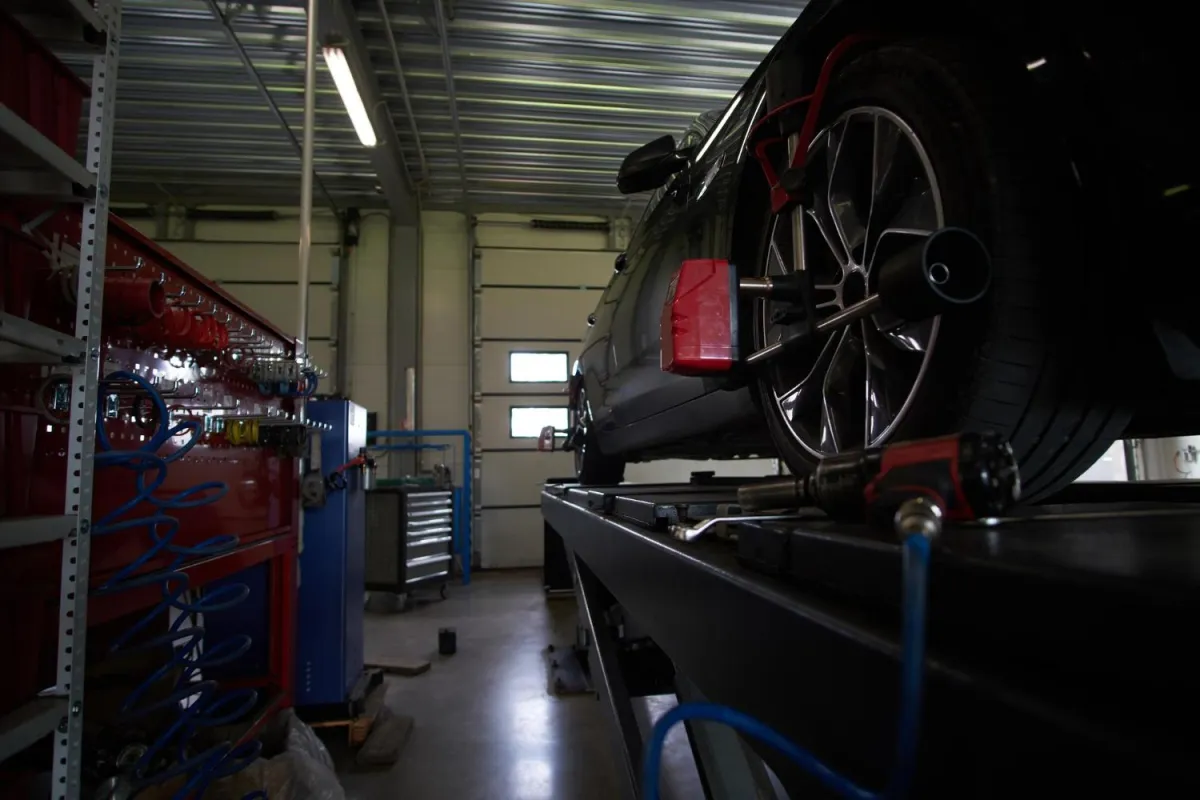
Performance Tires
Precision-crafted for speed, stability, and control. Perfect for sports cars and drivers who crave responsiveness
OUR SERVICES
Tire Repair
We repair punctures, leaks, and damaged valve stems using proven, long-lasting methods.
Tire Mounting
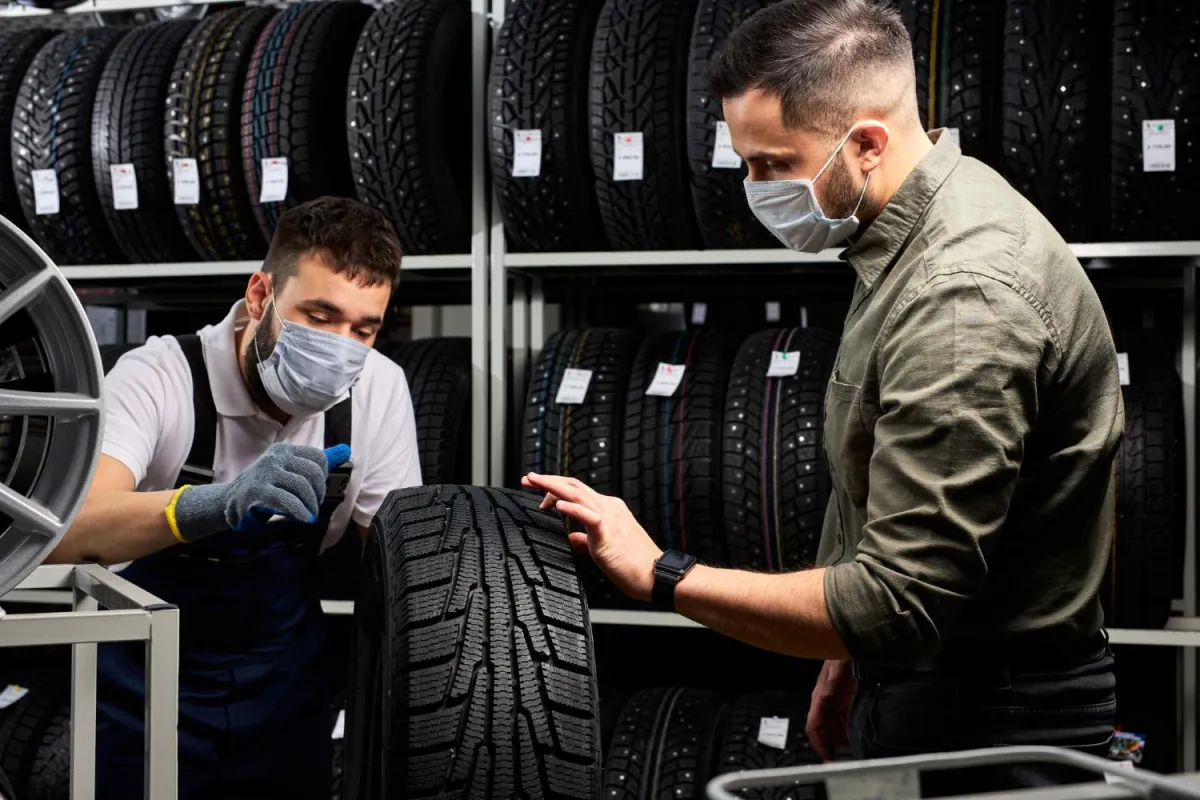
Whether you bring your own tires or need a new set installed, we mount them with precision. Smooth, safe, and professionally aligned for a better driving experience.
MOST COMMON TIRE SIZES WE SERVICE
We service all standard tire sizes, including popular options such as:
Cars:
195/65R15 • 205/55R16 • 215/55R17 • 225/45R17 • 235/45R18
SUVs/Crossovers:
225/65R17 • 235/65R17 • 245/60R18 • 235/55R18 • 255/55R20
Trucks/Light Pickups:
265/70R17 • 275/60R20 • 285/70R17 • 265/65R18 • 275/55R20
If your size isn’t listed—don’t worry. We can handle almost anything.
FAQS
What is the recommended tire pressure for my vehicle, and why is it important?
The recommended tire pressure for your vehicle can usually be found in your owner's manual or on a sticker inside the driver's door jamb. It's crucial to maintain the correct tire pressure for several reasons. First, it ensures optimal tire performance, including proper traction, handling, and fuel efficiency. Second, it extends the lifespan of your tires by preventing uneven wear. Lastly, it contributes to your safety on the road by reducing the risk of blowouts and improving overall vehicle stability. We recommend checking your tire pressure regularly, at least once a month, and especially before long trips.
How often should I get a wheel alignment, and what are the signs that my vehicle needs one?
The frequency of wheel alignments depends on various factors, including your driving habits and road conditions. As a general guideline, it's a good idea to have your wheels aligned at least once a year or if you notice any of the following signs: uneven or rapid tire wear, your vehicle pulling to one side, a crooked steering wheel when driving straight, or experiencing a bump or impact, like hitting a pothole. Regular alignments not only improve tire longevity but also enhance vehicle stability and handling.
What's the difference between all-season, summer, and winter tires, and when should I use each type?
All-season tires are designed to provide decent performance in various weather conditions, making them suitable for most regions with mild climate changes. Summer tires offer excellent grip and handling in warm weather but can lose traction in colder temperatures. Winter tires, on the other hand, have a special rubber compound and tread pattern optimized for cold and snowy conditions, ensuring superior traction and control. To decide which tires to use, consider your local climate.
Get In Touch